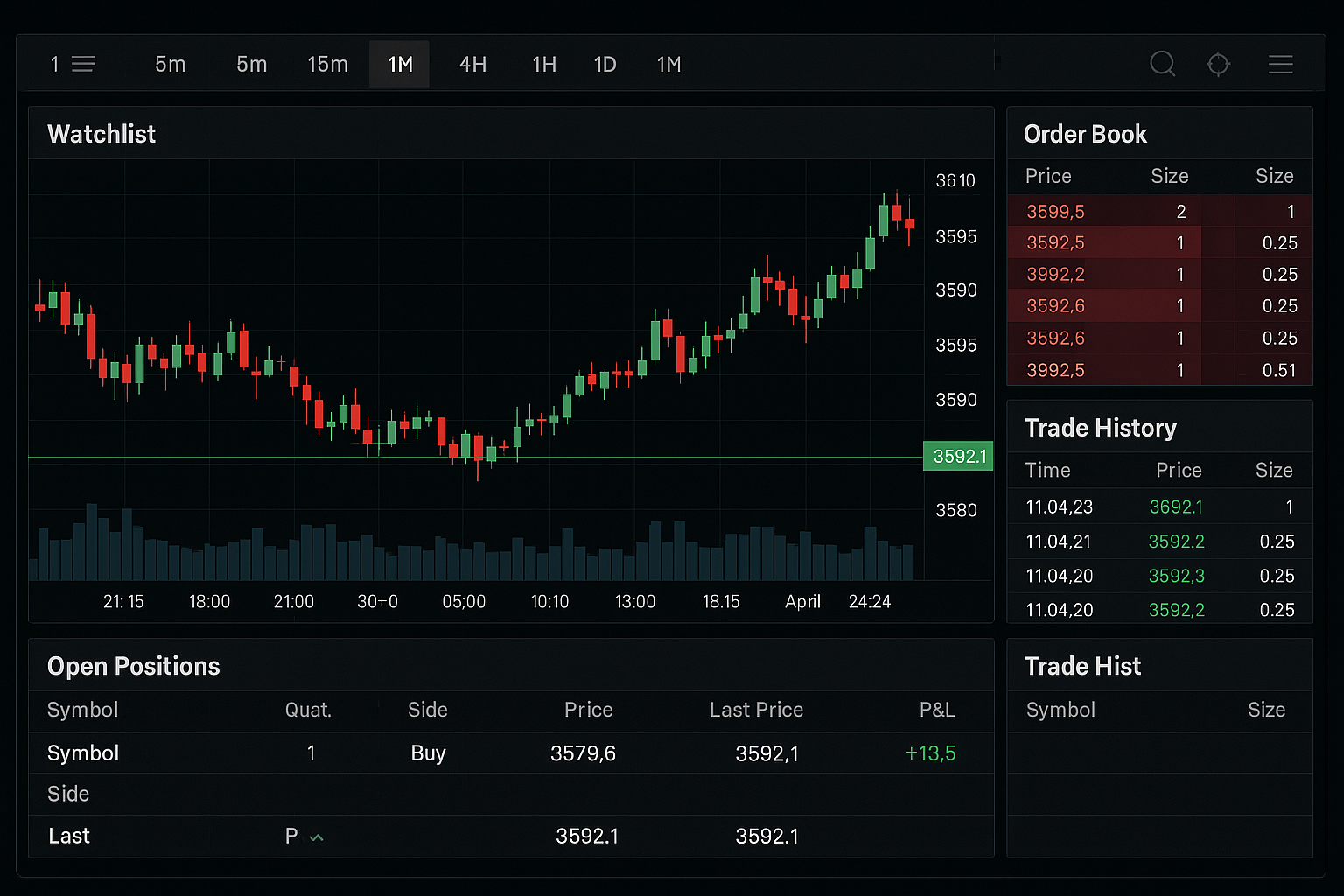
The automated trading landscape has changed dramatically over the past few years. What used to require deep technical knowledge, constant monitoring and split-second decision-making has now become accessible to ordinary investors. Juvthorix represents this new generation of platforms where artificial intelligence handles the heavy lifting while you maintain control. Whether you're exploring crypto trading for the first time or looking to automate your existing strategy, understanding how this platform functions, what it offers and what it actually costs matters more than ever.
This guide breaks down everything you need to know about Juvthorix in 2026. We'll examine how its AI engine processes market data, evaluate its legitimacy and security measures, walk through the setup process step by step, compare it against traditional exchanges and help you determine whether it matches your trading goals. By the end, you'll have a clear picture of what this platform can do for your portfolio and whether it deserves a place in your investment toolkit.
| Feature | Details |
|---|---|
| Platform Type | AI-powered automated trading system |
| Primary Assets | Cryptocurrencies (Bitcoin, Ethereum, altcoins) |
| Minimum Deposit | Starting from $250 |
| Execution Speed | Sub-2 millisecond order routing |
| Trading Modes | Scalping, intraday, position trading |
| Support Availability | 24/7 live assistance |
| Security Standards | AES-256 encryption, cold storage, multi-layer authentication |
| Demo Account | Available for practice trading |
To Remember
Juvthorix operates as an AI-driven trading platform designed to automate cryptocurrency trading across multiple timeframes. The system analyzes market conditions continuously, generates signals based on technical patterns and executes orders at institutional speed. With a $250 minimum deposit, 24/7 support and multiple security layers, the platform positions itself as accessible to both beginners and experienced traders. The core promise centers on removing manual effort while maintaining control over your trading parameters and risk settings.
How Does Juvthorix Actually Work?
Understanding the mechanics behind Juvthorix helps you make better decisions about using it. At its core, the platform connects to cryptocurrency markets through API integrations with established exchanges. Your funds don't sit with Juvthorix directly but remain with the partner broker or exchange where your account is hosted. The platform's role involves analyzing market data, generating trade signals and sending execution orders on your behalf based on the parameters you set.
The AI Trading Engine Explained
The artificial intelligence layer processes thousands of data points every second. This includes price movements, volume changes, order book depth, historical patterns and even sentiment indicators scraped from news sources and social media. Machine learning algorithms compare current conditions against past market behavior to identify potential opportunities that match your chosen trading strategy.
Think of it as having a tireless analyst watching the markets 24 hours a day, never missing a potential setup. When Bitcoin suddenly spikes at 3 AM or Ethereum dips during Asian trading hours, the system catches these movements and evaluates whether they match your predefined criteria. The AI doesn't make emotional decisions or second-guess entries based on fear. It simply executes when conditions align.
The learning component adjusts over time. As market conditions shift, the algorithms adapt their parameters to maintain performance. This means the system theoretically improves its pattern recognition as it processes more trades and encounters new market environments. Whether this translates to consistent profitability depends on many factors, including market volatility, the strategies you select and how well you manage your risk settings.
Real-Time Market Analysis & Signal Generation
Signal generation happens through a multi-stage process. First, the system scans across all available trading pairs you've authorized. It applies technical indicators like moving averages, RSI, MACD and Bollinger Bands to identify potential entry points. Simultaneously, it evaluates momentum, checks support and resistance levels, and calculates position sizing based on your account balance and risk tolerance.
When multiple indicators align to create a high-probability setup, the system generates a signal. This might be a long position on Bitcoin when price breaks above a key resistance level with strong volume confirmation, or a short on Ethereum when momentum indicators show bearish divergence. The signal includes entry price, stop loss placement, take profit targets and position size.
You can configure how aggressively the system trades. Conservative settings might require five indicators to align before executing, while aggressive settings might act on two or three. This flexibility matters because different market conditions favor different approaches. Range-bound markets reward patient, selective trading, while trending markets benefit from more frequent entries.
Order Execution Speed & Routing Technology
Speed determines whether you get the price you expect or suffer from slippage. Juvthorix claims sub-2 millisecond execution through direct API connections to exchange servers. In practical terms, this means when the system decides to enter a trade, the order reaches the exchange nearly instantaneously.
The routing technology selects the optimal execution path based on current liquidity conditions. If you're trading a major pair like BTC/USDT, the system might route directly to the primary exchange. For less liquid altcoins, it might split orders across multiple venues to minimize price impact. This smart order routing helps preserve your entry and exit prices, which directly affects your bottom line profitability.
Compare this to manual trading where you see a setup, decide to enter, navigate to the trading interface, input your order details and finally click execute. Those extra seconds matter when markets move fast. Automated execution removes that delay entirely, giving you the same speed advantages previously reserved for institutional traders with expensive infrastructure.
Is Juvthorix Legit or a Scam? Safety & Regulation Review
The automated trading space attracts both legitimate platforms and outright scams. Separating the two requires examining specific evidence rather than relying on marketing claims. Juvthorix presents itself as a licensed, regulated platform with institutional security measures. Let's evaluate these claims carefully.
Licensing & Compliance Status Verified
Juvthorix mentions compliance with standards like ISO 27001, PCI DSS and SOC 2 Type II in its materials. These are legitimate security and operational certifications that require third-party audits. However, the platform doesn't clearly specify which financial regulatory body oversees its operations. This matters because cryptocurrency platforms operate in a complex regulatory environment where rules vary dramatically by jurisdiction.
Many AI trading platforms partner with regulated brokers rather than holding their own licenses. This arrangement means your funds sit with a licensed entity while the AI platform provides the technology layer. If Juvthorix operates this way, the broker's regulatory status becomes the most important factor for your fund security. Before depositing, you should verify exactly where your money will be held and which regulator oversees that entity.
The platform claims operations across multiple countries including the UK, Germany, Australia and others. Each jurisdiction has different rules. UK-based operations should fall under FCA oversight, German operations under BaFin, and so on. Request specific license numbers and verify them directly with the relevant regulator's public database. Legitimate platforms provide this information readily.
Security Architecture & Fund Protection Measures
Juvthorix outlines several security layers designed to protect user data and funds. AES-256 encryption secures data transmission between your browser and their servers. This military-grade encryption standard prevents interception of your login credentials, personal information and trading data during transmission.
Cold storage architecture keeps the majority of cryptocurrency holdings offline in wallets not connected to the internet. This protects against hacking attempts targeting online hot wallets. Only the minimum amount needed for daily trading operations remains in hot wallets accessible to the trading system. If a breach occurred, the damage would be limited to that smaller online portion.
Multi-layer authentication requires multiple verification steps before allowing account access or withdrawal requests. This typically includes password entry, two-factor authentication through your mobile device and email confirmation for sensitive actions. Even if someone obtained your password, they couldn't access your account without also compromising your phone and email.
Continuous monitoring systems track for unusual activity patterns. If someone tries to log in from a new location, attempts multiple failed passwords or requests a withdrawal to an unrecognized wallet address, the system flags this for review. You receive alerts about these events so you can respond immediately if something seems wrong.
User Reviews & Verified Testimonials Analysis
The platform displays numerous positive testimonials on its website claiming successful trading results. Names like James Whitfield, Charlotte Ashworth and others share stories of profitable experiences. These testimonials include verification badges suggesting authenticity.
However, website testimonials should always be viewed skeptically. Platforms control what appears on their own sites, making it easy to cherry-pick favorable reviews or even fabricate them entirely. More reliable evidence comes from independent review platforms like Trustpilot, Reddit discussions or regulated review sites that verify reviewer identity.
A pattern worth noting: many AI trading platforms share similar testimonial structures, design elements and even phrasing across different brand names. This suggests a common marketing template rather than organic user feedback. When evaluating legitimacy, look for detailed reviews that mention specific features, discuss both positives and negatives, and come from verifiable user accounts with posting histories.
The claimed 4.9/5 rating based on thousands of verified reviews appears on the website but lacks third-party validation. Search for Juvthorix reviews on platforms outside their control to get a more balanced picture. Pay attention to complaints about withdrawal difficulties, unexpected fees or customer service problems, as these red flags appear consistently with problematic platforms.
How to Get Started with Juvthorix
Setting up your account and executing your first automated trade takes less than an hour if you have your documents ready. The process follows a standard pattern used across most trading platforms, with a few specific steps related to configuring the AI system.
Account Registration & Verification Process
Start by visiting the official Juvthorix website and locating the registration form. You'll need to provide basic information including your full name, email address, phone number and country of residence. Create a strong password that combines uppercase letters, lowercase letters, numbers and symbols to maximize account security.
After submitting the initial form, you'll receive a verification email. Click the link inside to confirm your email address and activate your account. This step prevents fake registrations and ensures you can receive important notifications about your trading activity.
Next comes identity verification, a regulatory requirement for financial platforms. You'll need to upload a government-issued photo ID such as a passport or driver's license. The platform also requires proof of address, typically a recent utility bill or bank statement showing your name and residential address. Take clear photos where all text is readable to avoid delays in the approval process.
The verification process usually completes within 24 hours, though it can take longer during peak periods. Some platforms offer instant verification through automated document scanning technology. Once approved, you'll receive confirmation and gain full access to deposit funds and start trading.
Minimum Deposit Requirements & Payment Methods
Juvthorix sets its minimum deposit at $250, positioning itself as accessible to retail investors without requiring substantial capital. This amount gives you enough margin to execute multiple trades while managing risk appropriately. Starting with the minimum makes sense if you're testing the platform or new to automated trading.
Payment methods typically include credit cards, debit cards, bank transfers and sometimes cryptocurrency deposits. Credit card deposits process instantly, allowing you to start trading immediately. Bank transfers take 2-5 business days but often carry lower fees. Cryptocurrency deposits vary by blockchain confirmation times, with Bitcoin taking 20-60 minutes and faster chains like Litecoin completing in minutes.
Check the fee structure for each payment method before depositing. Credit cards might carry 2-3% processing fees, while bank transfers often process free or for a flat fee. Cryptocurrency deposits usually carry only the network transaction fee. Factor these costs into your initial capital planning.
Some users prefer starting with a demo account before depositing real money. If Juvthorix offers this option, take advantage of it. Demo accounts let you test the platform's interface, configure AI settings and observe how the system executes trades without risking capital. This builds familiarity and confidence before going live.
Setting Up Your First Automated Trade
Once your account is funded, navigate to the trading dashboard. You'll see various configuration options controlling how the AI operates on your behalf. Start by selecting which assets you want to trade. If you're new to crypto, stick with major pairs like BTC/USDT or ETH/USDT that offer high liquidity and tighter spreads.
Next, choose your trading strategy. Juvthorix typically offers presets matching different risk profiles and timeframes. Conservative strategies trade less frequently, require stronger signal confirmation and use tighter stop losses. Aggressive strategies take more trades, act on weaker signals and accept wider stop losses in pursuit of larger gains. Your choice should match your risk tolerance and investment goals.
Set your position sizing rules. You can configure the system to risk a fixed percentage of your account on each trade, typically between 1-5%. Risking 2% per trade means a losing trade costs you $5 on a $250 account. This approach ensures no single trade significantly damages your capital. Alternatively, you can set fixed dollar amounts per trade regardless of account size.
Configure your risk management parameters including maximum daily loss limits, maximum open positions and stop loss settings. These safeguards prevent the system from overtrading or letting a losing position spiral out of control. A 10% daily loss limit, for example, stops all trading if your account drops 10% in a single day, protecting you from catastrophic drawdowns.
Finally, activate the system. The AI begins monitoring markets immediately, and you'll receive notifications when it opens or closes positions. Monitor the first few trades closely to ensure the system operates as expected and your risk settings work appropriately. You can adjust parameters at any time based on performance and your comfort level.
Juvthorix vs Traditional Crypto Exchanges: Key Differences
Understanding how Juvthorix differs from standard exchanges like Coinbase, Binance or Kraken helps clarify what you're actually getting. The core distinction lies in automation versus manual execution, but several other factors create meaningful differences in your trading experience.
AI Automation vs Manual Trading
Traditional exchanges provide the infrastructure for you to trade but require manual decision-making and execution. You analyze charts, decide when to enter or exit, and click buttons to execute orders. This gives you complete control but demands constant attention, technical knowledge and emotional discipline.
Juvthorix removes the manual component by delegating analysis and execution to algorithms. You set the parameters and risk rules, then the system handles the rest. This approach suits traders who lack time for constant monitoring, struggle with emotional discipline or want to trade across multiple timeframes simultaneously without burning out.
The automation advantage shows most clearly during volatile market conditions. When Bitcoin suddenly drops 10% at 2 AM, the manual trader either misses the opportunity because they're sleeping or wakes up to chaos and makes rushed decisions. The automated system catches the movement, evaluates whether it matches strategy criteria and executes immediately if conditions align.
However, automation also means less flexibility. If market conditions change in ways the algorithm doesn't recognize, it might continue executing a strategy that no longer works. Manual traders can adapt on the fly, reading news, sensing market sentiment shifts and adjusting their approach. The AI operates within its programmed parameters until you manually intervene to change settings.
Fee Structure & Cost Comparison
Standard cryptocurrency exchanges charge trading fees ranging from 0.1% to 0.5% per trade depending on your volume tier. High-frequency traders benefit from volume discounts, but casual traders pay the full rate. These fees apply to both entry and exit, so a round-trip trade costs 0.2% to 1% of your position size.
Juvthorix's fee structure isn't always transparently disclosed upfront. Some AI platforms charge monthly subscription fees ranging from $50 to $200. Others take a percentage of profits, typically 20-30% of gains. Some combine both models. A third approach involves marked-up spreads where the platform earns the difference between the price they show you and the actual exchange price.
Calculate your expected trading frequency and average profit per trade to determine which model costs less. If you trade 20 times per month with $100 average position size on a standard exchange at 0.3% per trade, you'd pay $12 in fees monthly. If Juvthorix charges a $100 monthly subscription, you'd need to make up that cost difference through better performance or time savings to break even.
Profit-sharing arrangements align the platform's incentives with yours since they only earn when you profit. However, 25% of your gains represents a substantial cost that directly reduces your net returns. A $1,000 monthly gain becomes $750 after the platform takes its share. Make sure the automation value justifies this expense.
Supported Assets & Trading Pairs
Major exchanges like Binance offer hundreds of cryptocurrency pairs including obscure altcoins with minimal liquidity. This variety lets you speculate on emerging projects or diversify across many assets. However, most retail traders focus on 5-10 major pairs that offer sufficient liquidity and reasonable spreads.
Juvthorix typically focuses on major pairs with high liquidity to ensure reliable order execution at expected prices. You'll find BTC/USDT, ETH/USDT, BNB/USDT and other top-tier assets. Some platforms add popular altcoins like Cardano, Solana or Dogecoin. This narrower selection actually benefits most users by preventing them from chasing risky microcaps with terrible liquidity.
The reduced selection also makes the AI's job easier. Analyzing 20 pairs thoroughly produces better results than superficially scanning 200 pairs. The algorithms can develop deeper pattern recognition when focused on fewer assets with more historical data and clearer technical characteristics.
If you specifically want exposure to exotic altcoins or newly launched projects, a traditional exchange serves you better. If your strategy centers on major cryptocurrencies where most market volume concentrates, Juvthorix's curated selection covers your needs without overwhelming you with marginal options.
What Trading Strategies Does Juvthorix Support?
The platform's versatility comes from supporting multiple trading timeframes and approaches. Understanding these strategies helps you select the one matching your risk tolerance, time commitment and profit expectations.
Scalping & High-Frequency Trading
Scalping captures small price movements by entering and exiting positions within minutes or even seconds. A scalper might profit $5-$20 per trade but execute 50-100 trades daily. The strategy relies on tight spreads, fast execution and minimal slippage. Cumulative small wins add up to substantial profits over time.
Juvthorix's sub-millisecond execution speed makes it suitable for scalping approaches that would be nearly impossible to execute manually. The AI identifies micro-patterns indicating short-term price direction, enters at optimal prices and exits the moment profit targets hit or momentum fades.
This strategy works best during high-volatility periods when price moves frequently enough to generate multiple opportunities per hour. It requires larger position sizes relative to the profit per trade since you're capturing small moves. A 0.5% gain on a $1,000 position yields $5, so you need volume to make the approach worthwhile.
The downside involves higher total fees since you're executing more trades. Even small fees per trade add up when you're making 50+ round trips daily. Scalping also exposes you to more random market noise. A series of small losses can quickly erase gains if the AI's pattern recognition hits a rough patch.
Intraday Momentum Strategies
Intraday trading operates on slightly longer timeframes, holding positions for several hours within a single trading day. The strategy identifies assets showing strong momentum in one direction and rides that wave until signs of reversal appear.
Juvthorix scans for momentum indicators like increasing volume, price breaking above resistance levels, and strong relative strength compared to the overall market. When Bitcoin shows sustained buying pressure pushing through key price levels with expanding volume, the system enters long and holds until momentum weakens or preset profit targets are reached.
This approach balances opportunity frequency with profit per trade. You might execute 5-10 trades daily with average gains of 2-4% per winning position. The holding period reduces noise compared to scalping while still allowing you to capture intraday volatility without overnight risk.
Crypto markets trade 24/7, so intraday strategies need clarification on whether "day" means a calendar day, a 24-hour rolling period or specific trading sessions aligned with geographic regions. Juvthorix handles this by continuously monitoring rather than stopping at arbitrary time boundaries. A position opened at 10 PM might close at 3 AM if conditions warrant.
Long-Term Position Building
Position trading takes a multi-day or multi-week approach, identifying major trends and riding them for substantial gains. Instead of capturing small moves, the strategy aims for 20%, 50% or even 100%+ gains on successful trades by giving positions room to develop.
The AI identifies longer-term technical patterns like ascending triangles, cup and handle formations or major support/resistance breaks that signal sustained directional moves. When Ethereum breaks above a months-long resistance level with strong fundamentals supporting the move, the system enters and holds through short-term pullbacks.
This strategy requires patience and tolerance for unrealized losses during pullbacks. A position might be down 8% before ultimately rallying 40%. The AI needs programming to distinguish between a normal pullback within an intact trend and a genuine reversal requiring an exit. Stop losses sit wider, typically 10-20% below entry, accepting larger temporary losses to avoid getting stopped out prematurely.
Position trading generates fewer trades but targets larger gains per winner. You might hold 2-5 positions simultaneously, each running for weeks. This approach suits investors who believe in crypto's long-term potential but want algorithmic help with entry timing and risk management rather than full hands-on involvement.
Who Should Use Juvthorix? (And Who Shouldn't)
Juvthorix fits specific trader profiles better than others. Matching your situation and goals to the platform's strengths determines whether it makes sense for your investment approach.
Beginners with limited trading knowledge but interest in crypto markets find value in the automation. You don't need to master chart reading, technical indicators or complex trading strategies. The AI handles analysis while you focus on learning risk management and understanding market fundamentals. The educational process happens alongside real trading rather than requiring years of study before starting.
Busy professionals who believe in crypto's potential but lack time for active trading benefit significantly. If your career demands 60-hour work weeks, you can't realistically monitor markets and execute trades. Automation lets you participate in crypto trading without sacrificing career focus or personal time. You check performance periodically, adjust settings as needed and let the system handle minute-to-minute decisions.
Traders struggling with emotional discipline find algorithmic execution helpful. If you consistently hold losing trades too long hoping they'll recover, or exit winning trades too early out of fear, you're fighting your psychology. The AI executes stops and targets without hesitation or emotion. This mechanical discipline often improves results even if the strategy itself isn't particularly sophisticated.
Investors wanting diversification across multiple timeframes simultaneously need automation. Manually trading a scalping strategy, an intraday momentum approach and a position trading system at the same time would overwhelm any individual. The AI handles all three in parallel, maximizing opportunity capture across different market conditions.
However, certain profiles should avoid automated platforms. Experienced discretionary traders who have developed profitable manual systems and enjoy the active trading process won't benefit from automation. You're already making money with your approach and delegating to an algorithm means surrendering control of something that works for you.
People expecting guaranteed profits or get-rich-quick outcomes will be disappointed. The marketing around AI trading often oversells results. No algorithm eliminates risk or guarantees profits. You can lose money, potentially all of your deposited capital. If you can't accept this risk or afford to lose your investment, don't use automated trading platforms regardless of their promises.
Those requiring complete transparency into trading logic face frustration. Most AI platforms treat their algorithms as proprietary secrets. You won't see the exact code or understand precisely why the system entered or exited specific trades. This black-box nature bothers traders who want to understand every decision. If you need full transparency, stick with manual trading where you control every choice.
Investors focused exclusively on long-term holding might not need active trading automation. If your strategy involves buying Bitcoin and Ethereum to hold for 5-10 years, you don't benefit from an AI making frequent trades. A simple buy-and-hold approach through a standard exchange with lower fees makes more sense.
Final Thoughts
Juvthorix represents the growing intersection of artificial intelligence and cryptocurrency trading. The platform offers genuine advantages in execution speed, emotional discipline and time efficiency compared to manual trading. Its multi-strategy approach, security measures and 24/7 operation address real pain points that retail traders face when trying to compete in fast-moving crypto markets.
The legitimacy questions require careful investigation before committing funds. Verify regulatory status, test customer service responsiveness and start with minimum deposits until you've confirmed the platform operates as advertised. Pay close attention to fee structures since costs dramatically impact net profitability regardless of the AI's performance.
Success with any automated platform depends on realistic expectations, appropriate risk management and ongoing monitoring. The AI handles execution, but you remain responsible for setting parameters, managing overall risk and deciding whether results justify continued use. Treat it as a tool that might improve your trading rather than a magic solution that eliminates all challenges.
Summary
Juvthorix operates as an AI-powered trading platform focused on cryptocurrency markets, offering automated execution across scalping, intraday and position trading strategies. The system processes market data continuously, generates signals based on technical analysis and executes orders at institutional speeds through direct exchange API connections.
With a $250 minimum deposit, multiple security layers including AES-256 encryption and cold storage, and 24/7 support, the platform targets both beginners seeking automation and experienced traders wanting to reduce manual workload. However, legitimacy concerns require verification of specific regulatory licenses, and fee structures need careful evaluation against expected trading frequency.
The platform suits busy professionals, emotionally undisciplined traders and those wanting multi-timeframe diversification. It doesn't fit experienced manual traders satisfied with current results, investors expecting guaranteed returns or long-term holders who don't need active trading automation. Success depends on realistic expectations, proper risk management and ongoing performance monitoring rather than blind trust in algorithmic promises.